


-

Add: HeBei ShengShi HongBang Cellulose Technology CO.,LTD.
-

Email
13180486930@163.com -

CONTACT US
+86 13180486930
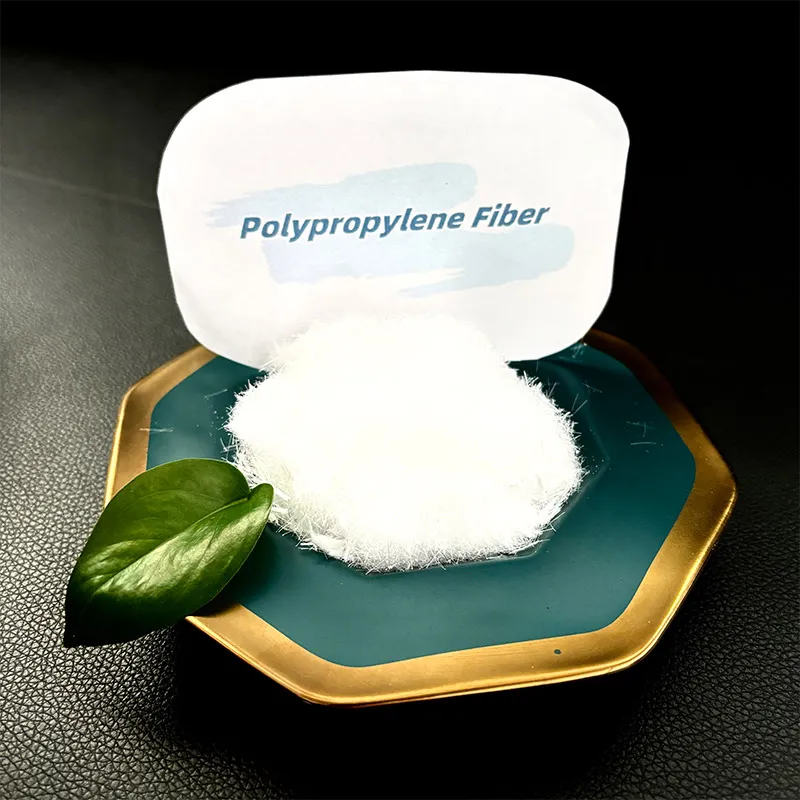



ราคาของเส้นใยโพลีโพรพีลีน แนวโน้มและการวิเคราะห์ ในยุคที่อุตสาหกรรมและเทคโนโลยีกำลังพัฒนาอย่างรวดเร็ว เส้นใยโพลีโพรพีลีน (Polypropylene Fibers) ได้กลายเป็นหนึ่งในวัสดุที่ได้รับความนิยมมากขึ้น โดยเฉพาะในด้านการผลิตเสื้อผ้า, พรม, และวัตถุประสงค์ทางอุตสาหกรรมต่างๆ ด้วยคุณสมบัติที่โดดเด่น เช่น ความทนทาน ความยืดหยุ่น และน้ำหนักเบา ส่งผลให้ราคาของเส้นใยโพลีโพรพีลีนได้รับความสนใจจากผู้ผลิตและผู้บริโภคมากขึ้น . จากการวิเคราะห์ข้อมูลล่าสุด ราคาของเส้นใยโพลีโพรพีลีนมีแนวโน้มที่จะสูงขึ้นในปีต่อๆ ไป สาเหตุสำคัญประการหนึ่งคือการเพิ่มขึ้นของต้นทุนวัตถุดิบ น้ำมันและก๊าซธรรมชาติ ซึ่งเป็นส่วนสำคัญในการผลิตโพลีโพรพีลีน ส่งผลให้ผู้ผลิตต้องปรับราคาให้สูงขึ้นเพื่อรักษากำไร นอกจากนี้ การขยายตัวของอุตสาหกรรมการก่อสร้างและการผลิตอย่างต่อเนื่องในหลายประเทศยังเป็นปัจจัยสำคัญที่ทำให้ความต้องการเส้นใยโพลีโพรพีลีนสูงขึ้น سعر ألياف البولي بروبلين นอกจากนี้ ยังมีการพัฒนาเทคโนโลยีใหม่ๆ ที่ทำให้การผลิตเส้นใยโพลีโพรพีลีนมีประสิทธิภาพมากขึ้น โดยการนำเทคโนโลยีการผลิตที่ทันสมัยมาใช้ เพื่อให้สามารถลดต้นทุนการผลิตและขยายกำลังการผลิตได้ ซึ่งจะช่วยให้ราคาสมเหตุสมผลและสามารถแข่งขันในตลาดได้ สำหรับผู้บริโภคและผู้ผลิตที่ต้องการใช้เส้นใยโพลีโพรพีลีน การติดตามแนวโน้มราคาจึงเป็นสิ่งที่สำคัญ ด้วยความที่ราคามีความผันผวน การวางแผนล่วงหน้าในการสั่งซื้อและการผลิตสามารถช่วยลดต้นทุนได้ นอกจากนี้ การมองหาผู้ผลิตที่มีความน่าเชื่อถือและเสนอราคาที่สามารถแข่งขันได้ จะเป็นทางเลือกที่ดีในการทำธุรกิจ สุดท้ายนี้ ราคาของเส้นใยโพลีโพรพีลีนในอนาคตนั้นมีแนวโน้มว่าจะขึ้นอยู่กับการเปลี่ยนแปลงในผู้บริโภค แนวโน้มเศรษฐกิจโลก และนวัตกรรมทางเทคโนโลยี การติดตามตรวจสอบข้อมูลและการวิเคราะห์แนวโน้มจึงมีความสำคัญในการตัดสินใจทางธุรกิจให้มีประสิทธิภาพสูงสุด หากคุณเป็นผู้ผลิต หรือผู้มีส่วนเกี่ยวข้องในอุตสาหกรรมนี้ การมีข้อมูลที่ถูกต้องและทันสมัยเกี่ยวกับราคาของเส้นใยโพลีโพรพีลีนจะช่วยให้คุณสามารถดำเนินการธุรกิจได้อย่างราบรื่น และเตรียมตัวรับมือกับความเปลี่ยนแปลงที่อาจจะเกิดขึ้นในอนาคตได้อย่างมีประสิทธิภาพ.
- 40000tons

Production
- 20+years

Experience
- 5000+㎡

Acreage

-
Hydroxypropyl methylcellulose (HPMC) is widely recognized as a versatile compound that finds its application across various industries. Preparing HPMC solutions is paramount for ensuring its effective performance, whether in pharmaceuticals, food processing, or construction. This article sheds light on the expertise required, authoritative guidelines, and trustworthy methodologies associated with HPMC solution preparation. Experience in HPMC solution preparation reveals that the process is both an art and a science, demanding precision and knowledge. Users often face challenges such as insolubility, clumping, or achieving the desired viscosity. These challenges can be mitigated by following specific preparation steps . Here, I will share a streamlined process derived from years of hands-on experience 1. Selection of Grade The choice of HPMC grade significantly influences the end properties of the solution. Different grades offer varying viscosities and gel temperatures, making it crucial to consult technical specification sheets provided by manufacturers to select the right grade for your application needs. 2. Water Quality The quality of solvent, usually water, plays a critical role. Using deionized or distilled water enhances solubility and prevents any potential reactions from contaminants. Experience confirms that temperature-controlled environments boost the solubility rate and uniformity of HPMC throughout the solution. 3. Dispersion Technique Accurate dispersion ensures the complete hydration of HPMC without forming clumps. Begin by sprinkling HPMC slowly into the solvent while stirring continuously. An authoritative tip involves using mechanical stirrers to maintain a consistent dispersal, achieving a lump-free solution efficiently. 4. Temperature Control The temperature of the solvent should be monitored closely. HPMC tends to dissolve better in cold water. By initially employing cold water to disperse the HPMC and later heating it up if the application demands a higher temperature, one can secure optimal results. hpmc solution preparation 5. Hydration Time Time is a crucial factor in preparing an HPMC solution. Allow the solution to hydrate fully, which might take several hours depending on the grade and environmental conditions. Patience is key as incomplete hydration could result in suboptimal solution properties. 6. pH Adjustment For applications requiring specific pH levels, adjust the pH of the solution after full hydration. Different grades of HPMC might react differently to pH adjustments, so it's advisable to conduct small-scale tests before full-scale operations. From a professional standpoint, the expertise of troubleshooting common issues cannot be overstated. In some cases, adding a non-ionic surfactant can assist in reducing surface tension and improving solubility. Furthermore, employing an industrial homogenizer can yield a finer, more consistent HPMC solution in high-demand applications. To establish authority in the preparation of HPMC solutions, it’s paramount to adhere to standardized practices as endorsed by industry leaders. Following guidelines from entities like the United States Pharmacopeia (USP) can ensure compliance and efficacy in pharmaceutical applications. Maintaining a record of every batch's preparation details ensures traceability and identifies areas for future optimization. Trustworthiness is built through consistency and transparency. Regularly testing and documenting the rheological properties of prepared solutions guarantees batch-to-batch uniformity. For enhanced credibility, consider third-party verification from accredited laboratories to validate the effectiveness and safety of the final solution. In conclusion, HPMC solution preparation demands a blend of practical experience, specialized knowledge, and adherence to authoritative protocols. By following these best practices, one can ensure the creation of high-quality HPMC solutions suitable for a variety of applications, ultimately fostering trust and reliability in the end product.
-
Hydroxypropyl methylcellulose (HPMC) and carboxymethyl cellulose (CMC) are two of the most widely used cellulose derivatives in various industries, including pharmaceuticals, food production, and construction materials. Understanding the distinctions between these two compounds can significantly enhance product formulation and application efficiency . HPMC and CMC share a common cellulose backbone, but the chemical modifications and substituted groups differentiate their properties and functionalities. Hydroxypropyl methylcellulose is modified by the addition of methoxy and hydroxypropoxy groups. These chemical modifications impart valuable properties like thermal gelation, water retention, and film-forming capabilities, making HPMC ideal for use in tile adhesives, pharmaceuticals, and food products. On the other hand, carboxymethyl cellulose is primarily characterized by the carboxymethyl groups attached to the cellulose backbone. This gives CMC its high viscosity, excellent water solubility, and emulsifying properties. Such characteristics make CMC particularly useful as a thickener and stabilizer in sauces, dressings, and other culinary products as well as in personal care items like toothpaste and lotions. In terms of application in the pharmaceutical industry, HPMC is favored due to its high thermal gelation properties and its ability to function as a release rate controller in oral medicines. HPMC’s safety and inertness make it an excellent choice for use in sustained-release tablet formulations. This ability to effectively modulate drug release profiles significantly contributes to patient compliance and therapeutic efficacy. Furthermore, HPMC’s film-forming capabilities are essential in the coating of tablets, imparting stability and aesthetics while ensuring functionality. Conversely, CMC is instrumental in the formulation of liquid pharmaceuticals where thickening and stability are required. Its high viscosity makes it an ideal candidate for suspensions and liquid syrups, where even distribution and homogeneity of the active ingredient are crucial. difference between hpmc and cmc In the food industry, HPMC proves to be an invaluable tool where thermal gelation and fat reduction are desired without compromising texture. For example, in low-fat ice creams, HPMC stabilizes the emulsion and provides a creamy texture. CMC, however, is often chosen for baked goods to enhance mouthfeel and improve moisture retention, vital for shelf-life extension. The environmental impact and biodegradability of these cellulose derivatives also play a critical role in their selection for specific applications. Both HPMC and CMC are biodegradable and non-toxic, which align with the growing trend toward environmentally friendly and sustainable products. However, the production processes and raw material sourcing can vary, which may influence the ecological footprint of each product. Professionals in construction also leverage the unique strengths of these compounds. HPMC's ability to retain water and provide smooth application makes it ideal for cement and gypsum-based products, improving workability and performance under various environmental conditions. Meanwhile, CMC’s excellent rheological properties are appreciated in the suspension and stability of paints and coatings. In summary, while HPMC and CMC are both cellulose-derived, their unique chemical structures provide distinct advantages across different sectors. HPMC excels in applications requiring gelation, film formation, and controlled release, whereas CMC is preferred for its viscosity, solubility, and stabilizing properties. Selecting between HPMC and CMC should be guided by specific product requirements, industry standards, and desired characteristics, ensuring that each application achieves optimal performance. Such informed decisions not only enhance product quality but also build trust and credibility, aligning with the modern consumer's demand for transparency and reliability.
advantages
-

200000 Viscosities
Excellent product
We can produce pure products up to 200,000 viscosities
-

40000 tons
High yield
We don’t stop production all year round, and the annual output can reach 40,000 tons
-

24 hours
Quality service
We provide 24-hours online reception service, welcome to consult at any time
———— Inquiry Form
Schedule A services


-
 hydroxypropyl_methylcellulose_for_skin
Oct . 25, 2025
Unlocking the Benefits of Purchasing HPMC A Comprehensive Guide Hydroxypropyl Methylcellulose (HPMC) -
 starch_derivatives_examples
Oct . 25, 2025
In the quest for advanced pharmaceutical solutions, HPMC Dextran 70 emerges as a significant player, -
 e464_hydroxypropyl_methylcellulose
Oct . 25, 2025
Large format tiles are becoming increasingly popular in both residential and commercial construction


